
Protein is one of those words you often hear when people discuss nutrition and staying healthy. Whether it’s featured in ads for protein bars or takes center stage in recipe blogs, it’s always part of the conversation. But what exactly is protein, and why is it so important? In this guide, I’ll break down what protein is, why it’s a critical part of our diets, and how to ensure you’re getting enough to keep your body running at its best.
Understanding Protein: What It Is and Why It Matters
What Is Protein?
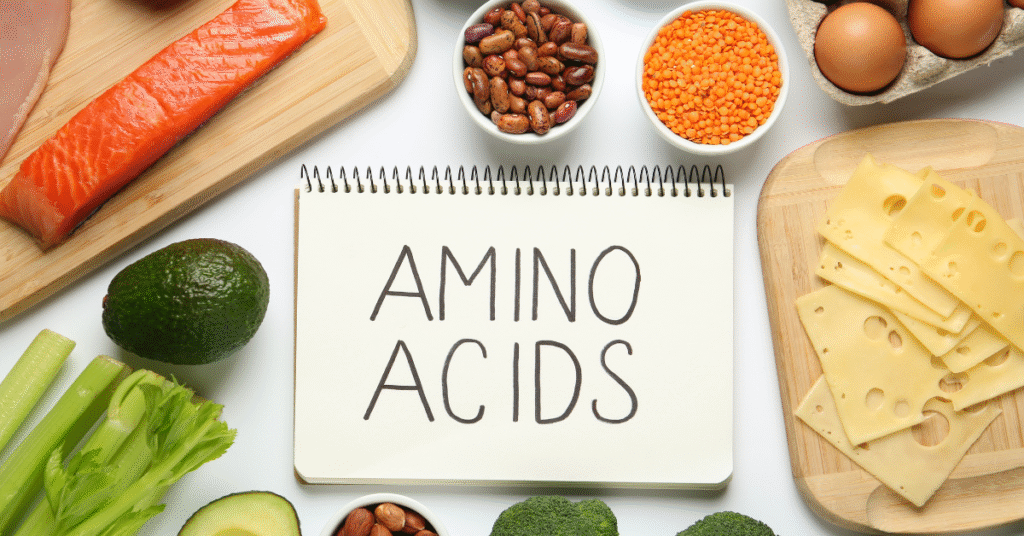
Protein is a vital nutrient your body relies on every single day. It’s made up of amino acids, which are the building blocks your body uses to create and repair muscles, skin, hair, enzymes, hormones, and nearly every type of tissue.
There are 20 different amino acids. While your body can make some on its own, there are nine “essential” amino acids that must come from your food. These are crucial because your body cannot produce them independently.
Why Protein Is Essential
Most people think of muscle when they hear the word “protein,” and for good reason. But its role goes far beyond the gym. Here are some of the many important jobs protein performs in your body:
- Growth and Repair: Every cell in your body needs protein to grow and repair itself. This is especially important for children, teens, and pregnant women.
- Enzymes and Hormones: Many of your body’s enzymes and hormones, such as insulin and thyroid hormones, are made from protein.
- Immune Support: Proteins help form antibodies, which defend your body against illness.
- Energy Backup: While carbs and fats are your body’s preferred energy sources, protein can provide fuel when needed.
- Transport and Storage: Some proteins carry oxygen, vitamins, and minerals to where they’re needed in your body.
Protein is truly one of the most essential nutrients your body depends on to stay healthy, strong, and functioning properly.
Types of Protein: Complete vs. Incomplete
You might have heard about “complete” and “incomplete” proteins. Here’s what that means:
- Complete Proteins: These contain all nine essential amino acids. They’re found in foods such as meat, fish, eggs, dairy products, and soy products.
- Incomplete Proteins: These are proteins that are missing one or more essential amino acids. They’re found in plant-based foods like beans, lentils, nuts, seeds, and grains.
Plant-based eaters can still get all essential amino acids by combining foods. For example, pairing rice and beans creates a complete protein profile.
How Much Protein Do You Need?
The amount of protein you need depends on factors such as age, sex, activity level, and overall health. For most adults, the Recommended Dietary Allowance (RDA) is 0.36 grams of protein per pound of body weight per day.
This means that a person weighing 154 pounds (70 kg) would need approximately 56 grams of protein daily. According to standard guidelines, an average adult woman typically requires approximately 46 grams per day.
You may need more if you are:
- Physically active (Why Protein Is Crucial For Athletes)
- Recovering from illness or injury
- Pregnant or breastfeeding
- Over the age of 50
To maximize your protein intake, include it with every meal and snack. Spreading protein throughout the day helps build and maintain muscle, boosts energy, and keeps you feeling full longer.
Important: Always consult your doctor or a registered dietitian before making significant changes to your diet, especially if you have any health conditions.
Protein in Your Diet: Where to Find It
You don’t have to eat steak every day to get enough protein. Here are some great sources to mix into your weekly meals:
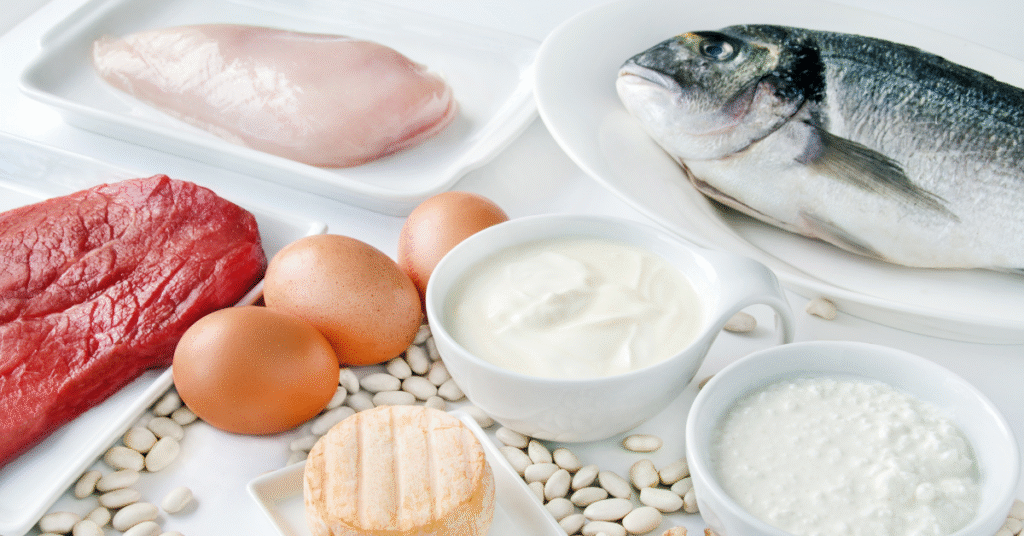
- Animal-based proteins: Chicken, turkey, beef, pork, fish, eggs, cheese, yogurt, and milk
- Plant-based proteins: Lentils, chickpeas, black beans, tofu, tempeh, edamame, quinoa, nuts, seeds, and whole grains like oats and brown rice
Mixing different types of protein helps you get a broader range of nutrients and keeps your meals interesting. Adding plant-based proteins a few times a week can also increase fiber intake, lower saturated fat, and provide a range of important vitamins and minerals.
Real-World Benefits: Why Protein Is So Important
Protein plays a powerful role in everyday health. Here are some of the top benefits:
- Builds and Maintains Muscle: Protein helps repair and preserve muscle mass, which becomes especially important as you age.
- Speeds Recovery: Whether you’re recovering from a workout, surgery, or illness, protein helps your body heal and recover.
- Reduces Hunger: Protein-rich meals keep you fuller longer, making it easier to avoid overeating.
- Boosts Metabolism: Your body burns more calories digesting protein than it does with carbohydrates or fats.
- Strengthens Immunity: Protein supports your immune system by helping produce antibodies and immune cells.
Key Takeaway: Prioritizing protein can help you manage your weight, recover more quickly, stay energized, and maintain your strength as you age.
Common Protein Myths (And the Facts)
Let’s set the record straight on a few persistent protein myths:
- Myth: You can’t eat too much protein.
- Fact: Most people get enough without trying. Consuming too much over time, especially with pre-existing kidney issues, may cause stress on the kidneys without added benefit.
- Myth: Vegans can’t get enough protein.
- Fact: A well-planned vegan diet can provide all the protein you need. Combining a variety of plant-based sources ensures all essential amino acids are covered.
- Myth: Athletes need protein shakes.
- Fact: Protein shakes can help fill nutritional gaps, but most athletes can meet their protein needs through whole foods, such as lean meats, eggs, dairy products, legumes, and whole grains.
Bottom line: Protein myths are common. Educate yourself, make smart choices, and consult a professional if you’re unsure about your needs.
Troubleshooting: What Happens If You Don’t Get Enough Protein?
Protein deficiency is uncommon in well-nourished populations but can occur, especially among:
- Children
- Older adults
- People recovering from illness or surgery
- Those on highly restrictive or poorly planned diets
Signs of protein deficiency may include:
- Muscle loss or weakness
- Frequent illness or infections
- Thinning hair or brittle nails
- Fatigue or low-energy
- Slower healing
- Swelling in the hands, feet, or abdomen (in severe cases)
If you notice these signs, it may be time to consult your doctor or a dietitian to evaluate your protein intake.
Bottom line: Protein is essential for maintaining strength, promoting recovery, enhancing immunity, and boosting vitality. Don’t overlook it.
FAQs: Quick Answers About Protein
What is protein?
Protein is a nutrient made from amino acids. It’s used by your body to build and repair cells, muscles, skin, hormones, and more.
Why is protein so important?
It supports muscle growth, tissue repair, immune health, hormone production, and energy balance. Your body needs it every single day.
What are the best sources of protein?
Lean meats, fish, eggs, dairy, beans, lentils, tofu, nuts, and seeds are all excellent sources. Aim for variety to cover all your bases.
Can you get enough protein on a plant-based diet?
Yes. Eating a variety of plant-based foods and pairing complementary proteins (like beans and rice) ensures you get all essential amino acids.
Is a high-protein diet bad for you?
In most cases, no. Moderate increases in protein are safe for healthy individuals. However, excessive intake over time may not be ideal, especially if you have kidney issues. Consult your healthcare provider if you have concerns.
Bringing It All Together: Making Protein Part of Your Routine
Protein is not just for bodybuilders or athletes. It is a daily necessity for everyone, regardless of age or activity level. Including quality protein sources with each meal and snack helps fuel your energy, maintain muscle, and support your overall health.
Whether your protein comes from animals or plants, what matters most is variety and consistency. Spread your intake throughout the day to give your body a steady supply of the nutrients it needs.
Final thought: Make protein part of your everyday routine. Your body will thank you for it.
Looking for easy high-protein recipes? Check out our Recipes!